IP39: Introducing The Future Habit
AI Powered Foresight For An Uncertain World

The Future Habit, which I co-authored with Nicklas Lundblad, was published this week by Biteback. You can order it here.
If you have already ordered it - thank you so much. And if you enjoyed it, please leave a review.
Please let us know if you might be interested in having an office or conference book talk as well.
What is the Future Habit?
The Future Habit is based on on a core tension:
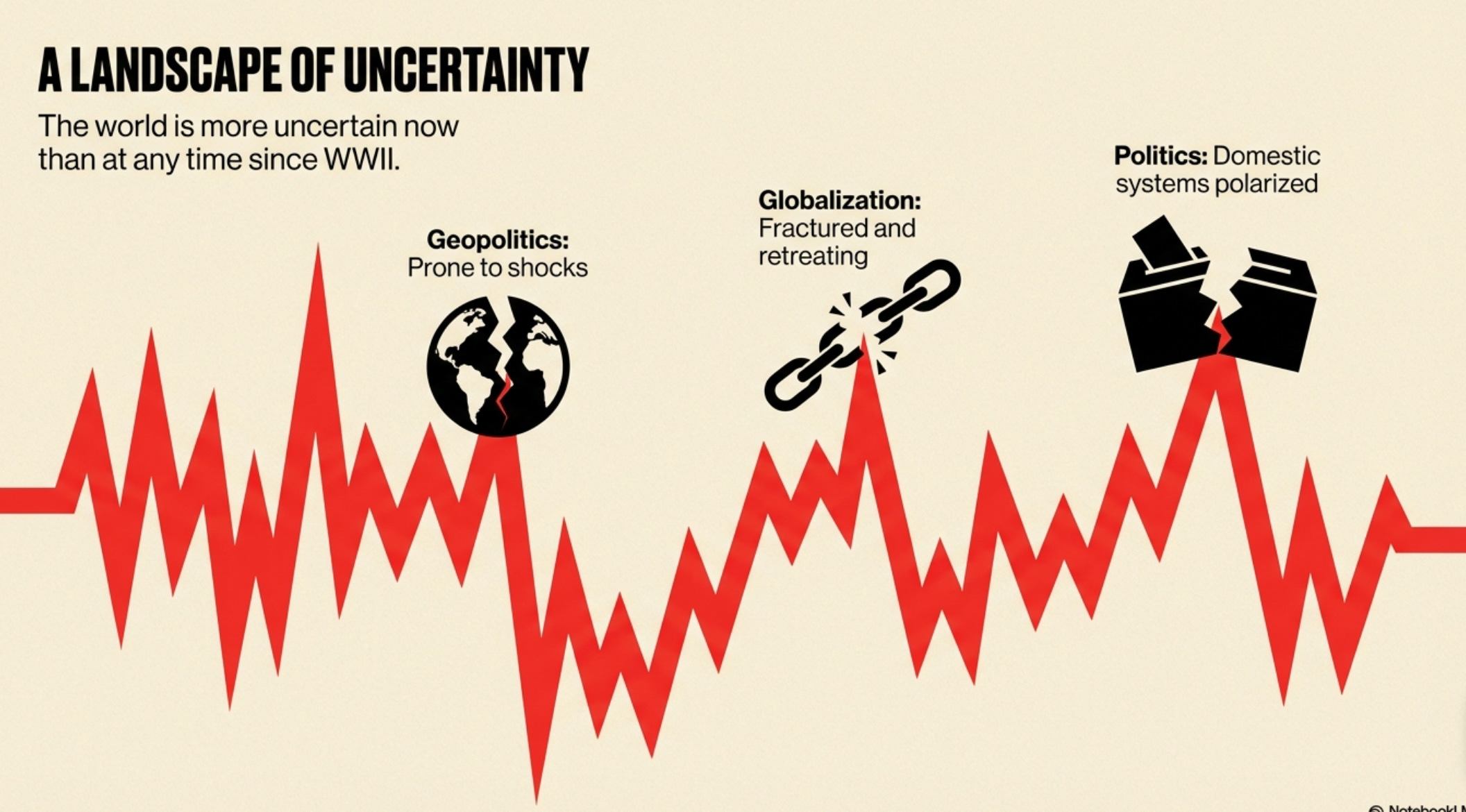
The world is more uncertain than at any time since the Second World War. As we can see on our TV screens at the moment, geopolitics is prone to shocks. Globalisation has been fractured. Domestic politics is polarised, with established party systems being consigned to history across Europe. Fundamentally, technology is advancing at an extraordinary rate, with AI reshaping society, economics and every facet of life.
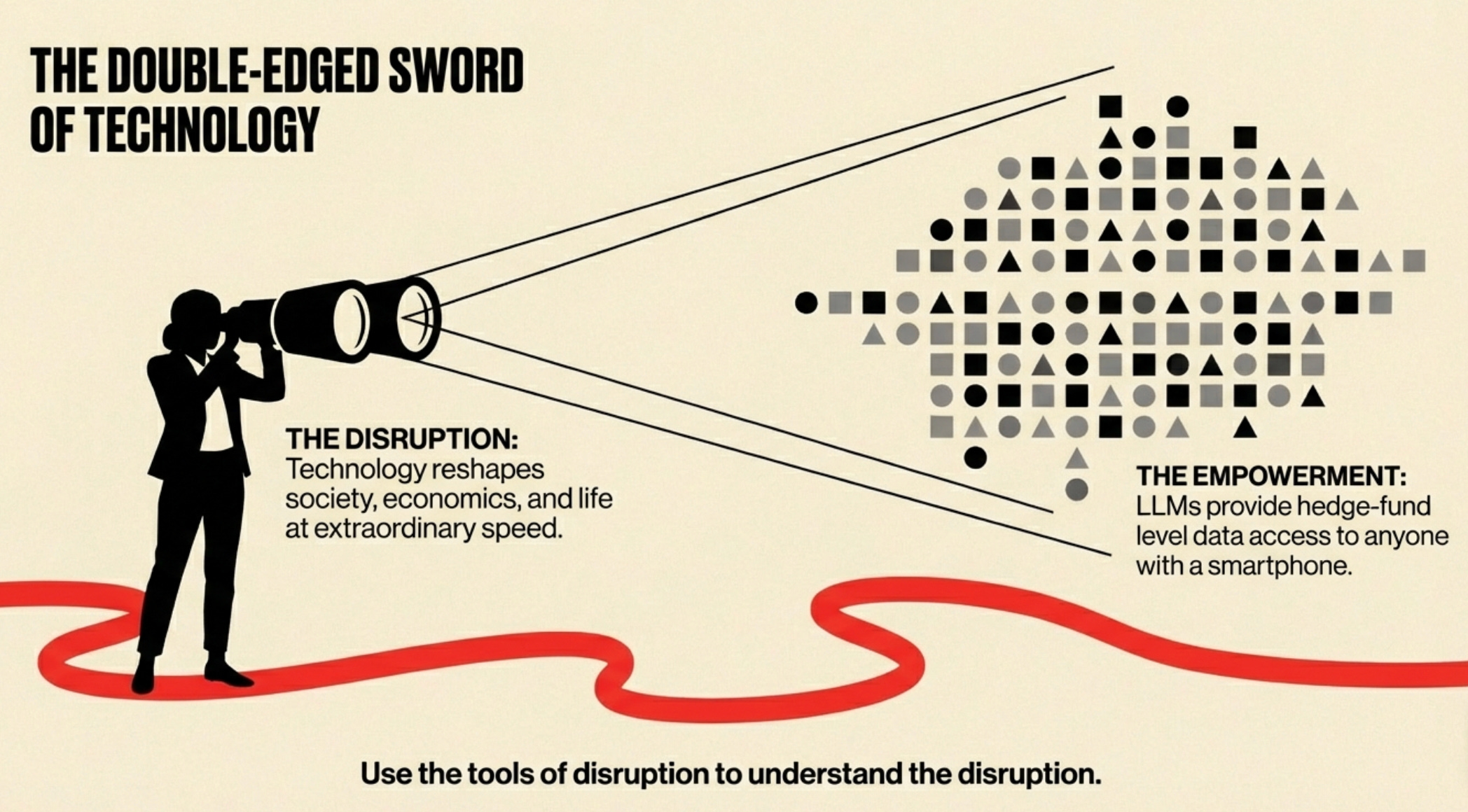
This same technology that is causing disruption also has the potential to really empower users when considering the future. Anyone with a smartphone and a basic large language model has access to the kind of data that was previously only available to hedge funds or large multinationals. This data can be used to power a variety of tools and techniques to help make sense of an uncertain future - if we know how to use them.
The goal of the book is to introduce readers to a whole host of these techniques and illustrate how they can be used effectively in decision making. This includes:
Scenario planning - Build multiple plausible futures and stress-test your decisions against each, rather than betting everything on one forecast;
Pre-mortems - Start by imagining your project has failed, cutting through groupthink to identify fatal flaws before they become real;
Wargaming - Run immersive crisis simulations that reveal how your organisation actually responds under pressure, rather than simply how you hope it would;
AI-driven simulations. Create dynamic models of possible futures that evolve as conditions change. This is what we call “foresight in motion”.
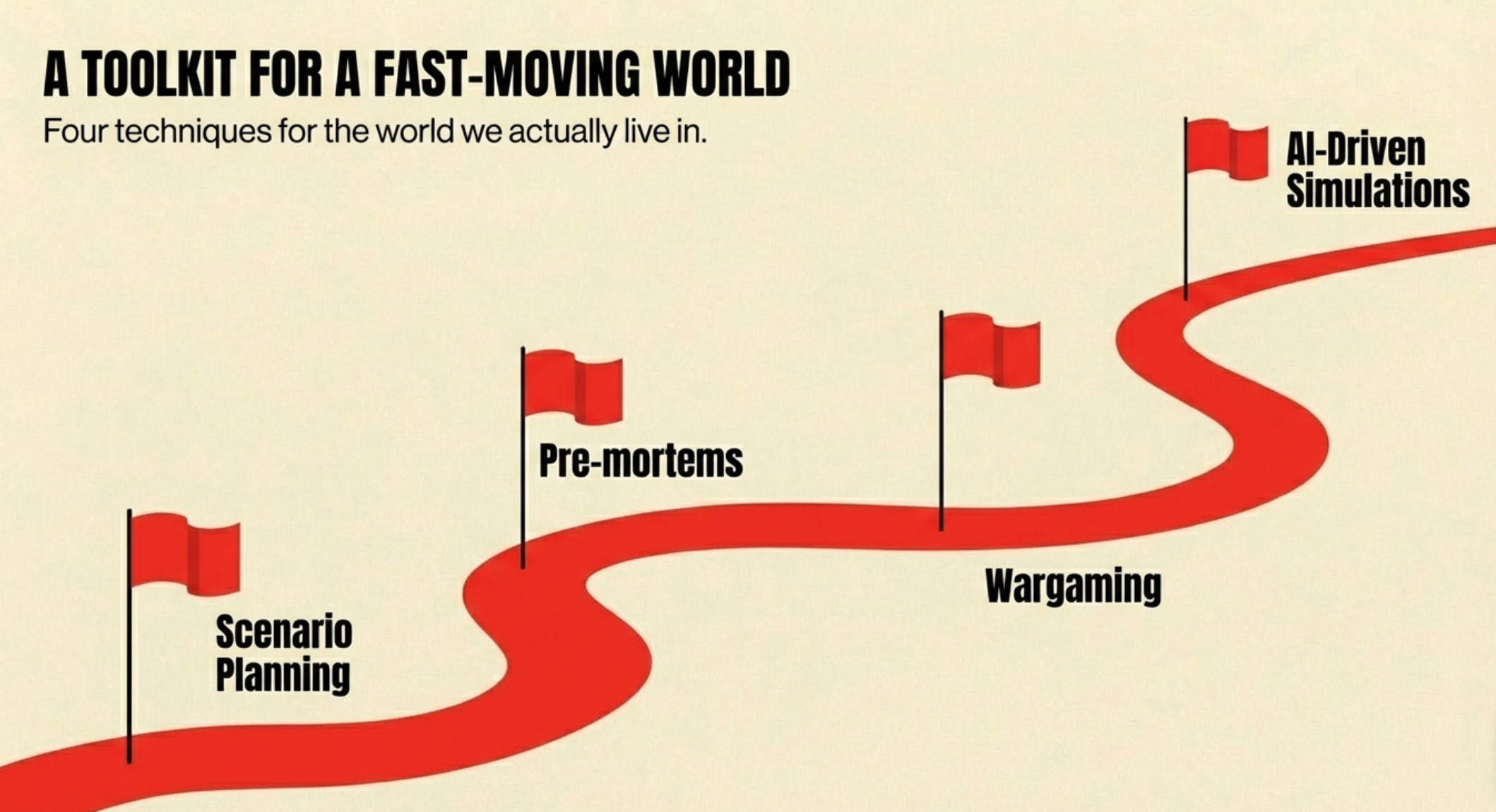
Each technique is designed for the world we actually live in: fast-moving, unpredictable, and resistant to traditional planning models.
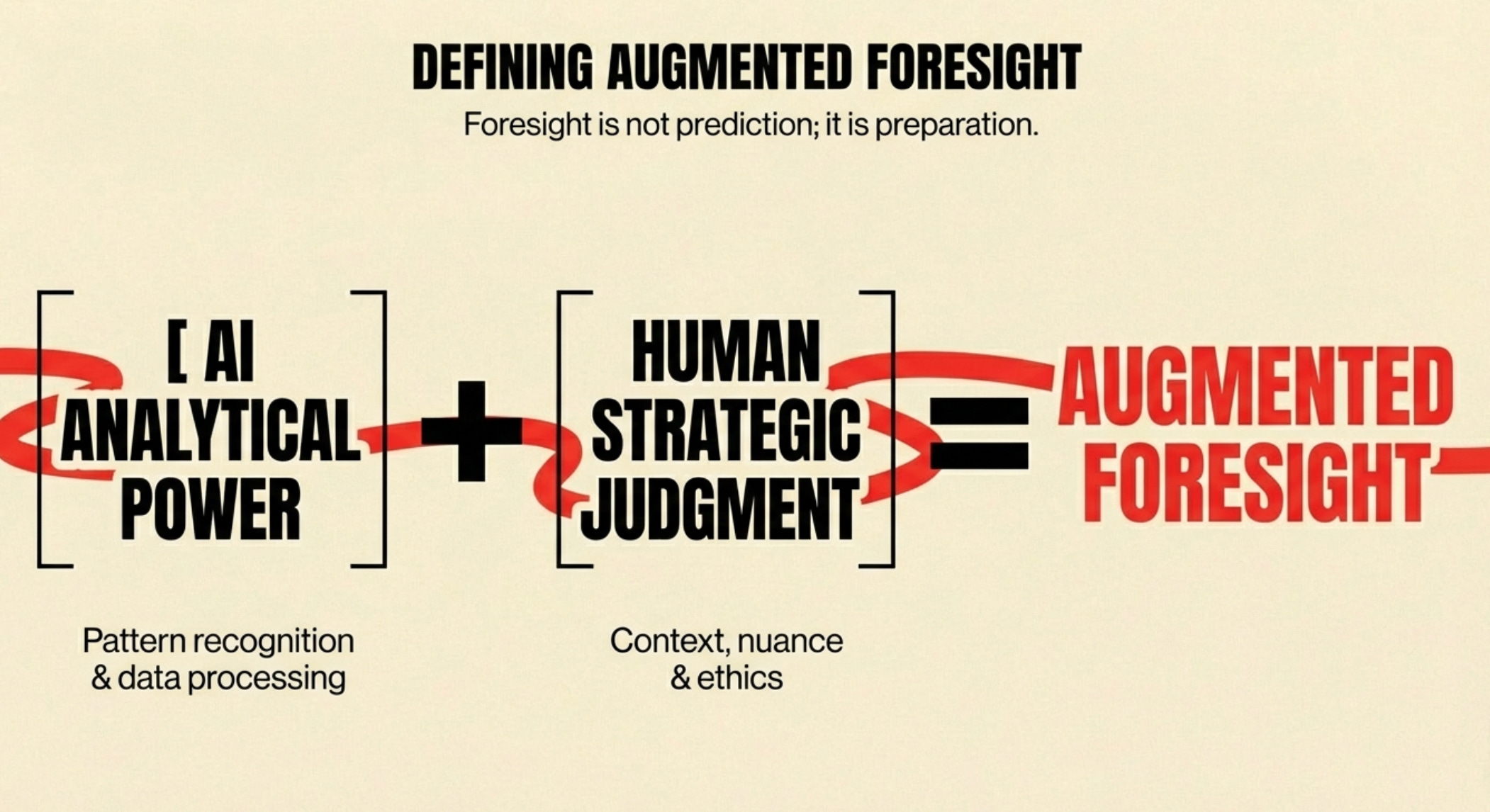
The Future Habit isn’t about handing strategy over to AI. It’s about augmented foresight - using AI’s analytical power to surface possibilities and analyse data, while you provide the judgment, context, and strategic insight that machines can’t replicate.
Foresight and tech public policy
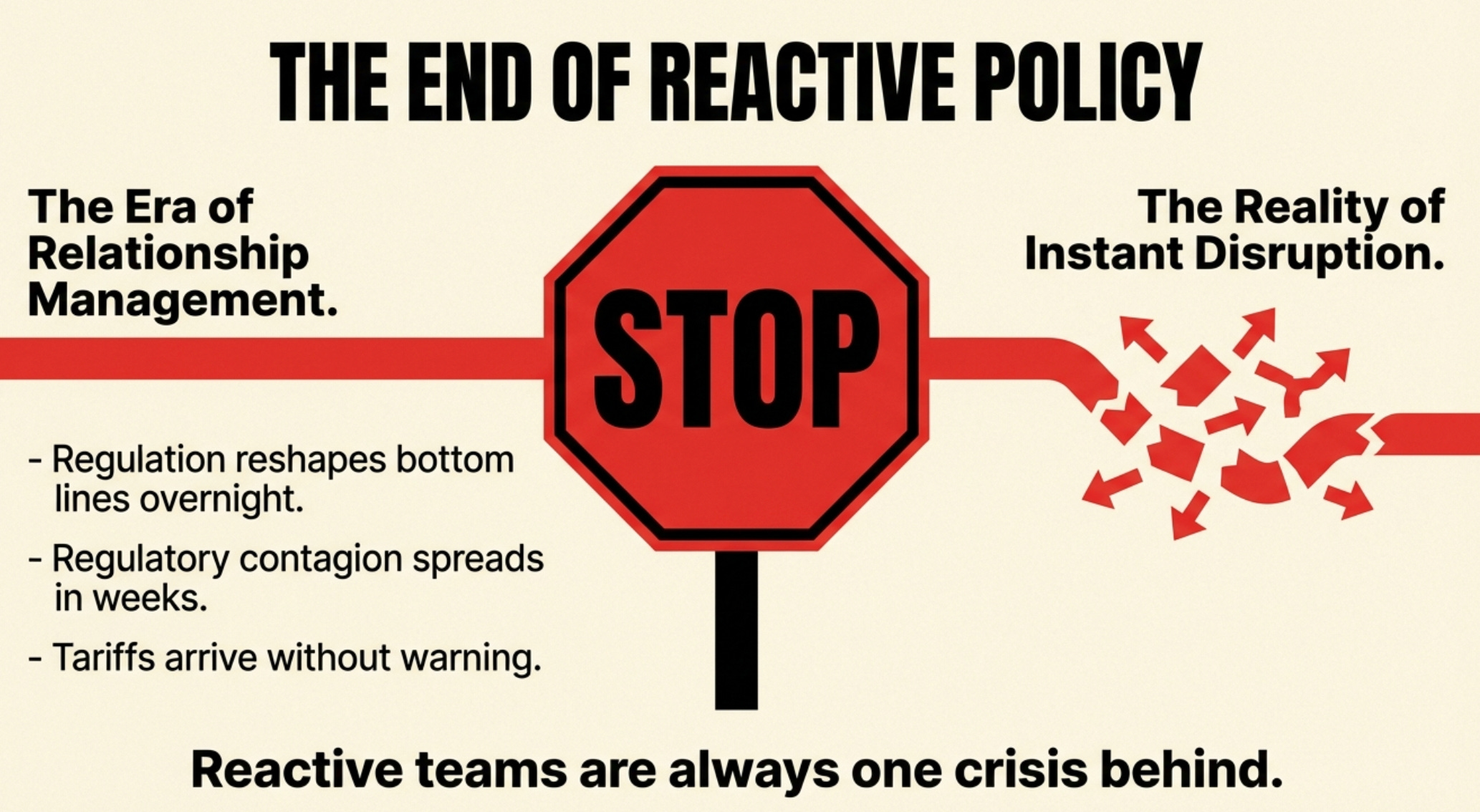
In an age where public policy has become a core strategic discipline, foresight is no longer optional. The era of public policy as relationship management, with its focus on contacts, meetings and endless roundtables, is over.
Today’s policy environment moves too fast for that model. Regulation can reshape bottom lines overnight. Regulatory contagion spreads across jurisdictions within weeks. Tariffs, trade restrictions, and geopolitical shocks arrive without warning. Public policy teams that operate reactively will always be one crisis behind.
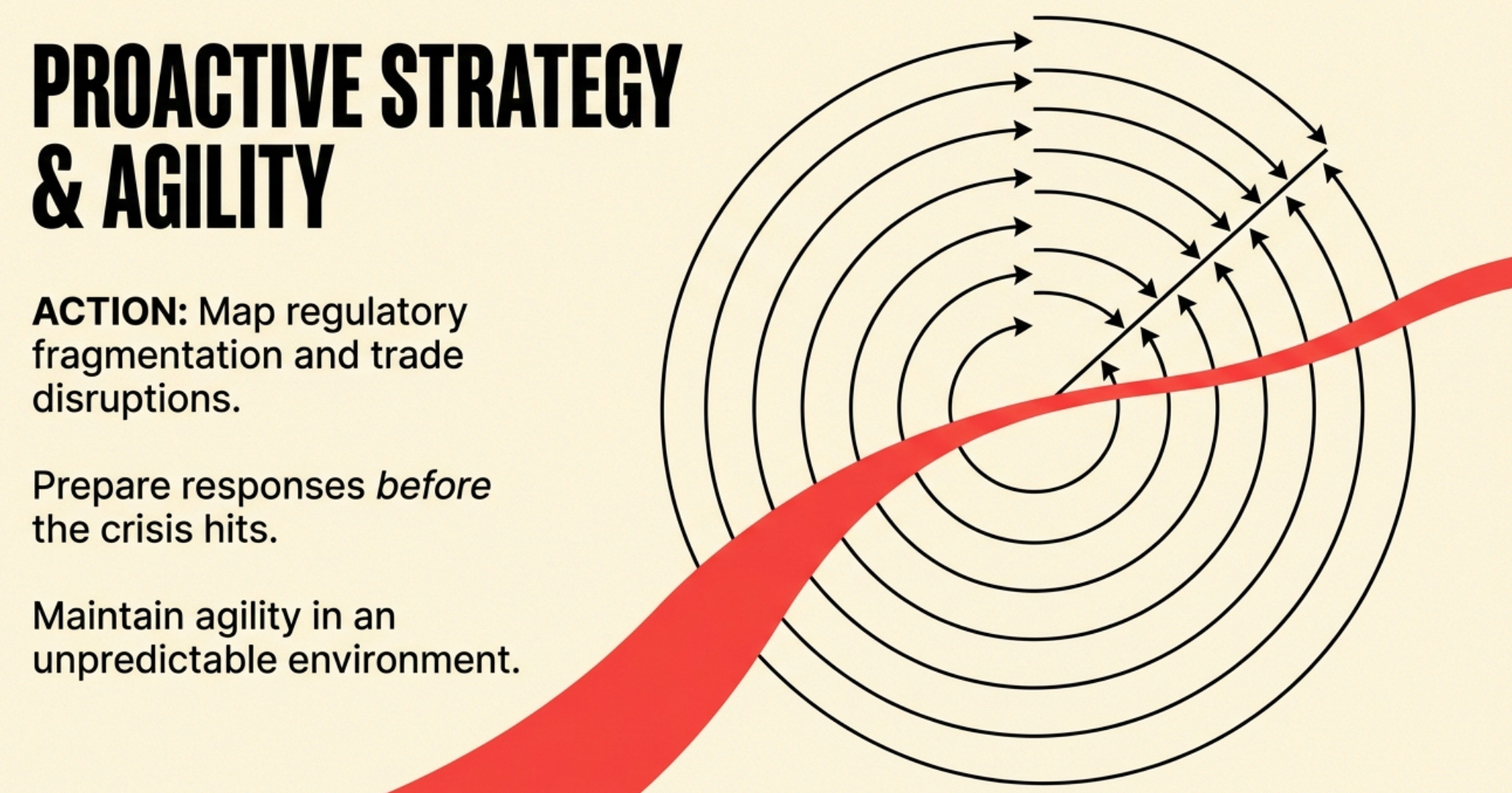
Effective teams use foresight to map multiple possible futures and stress-test their strategies against each. They build scenarios for regulatory fragmentation, trade disruption, and political volatility, then prepare responses before the crisis hits. This is what augmented foresight looks like in practice: AI-powered analysis combined with strategic judgment to maintain agility in an unpredictable environment.
The Future Habit shows you how to build this capability.
Foresight is futile unless it is linked to decision making
The Future Habit is about what good foresight looks like and, crucially, what bad foresight looks like.
Bad foresight is an interesting workshop that produces a report left gathering dust. It’s a one-time exercise that feels strategic but changes nothing.
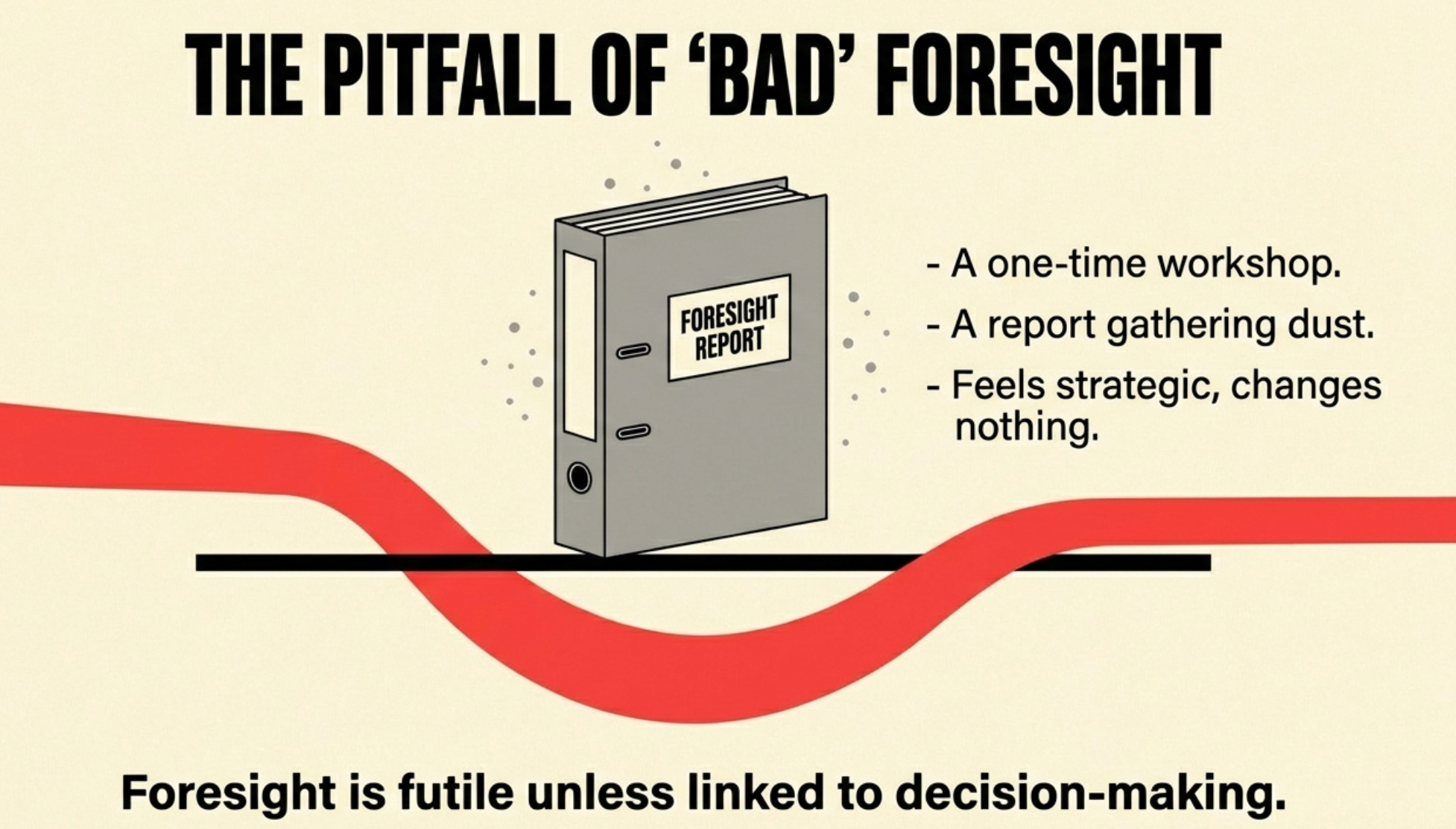
Good foresight is embedded in how decisions get made. It’s revisited regularly as conditions change. It shapes strategy, resource allocation, and organizational priorities—not just PowerPoint decks.
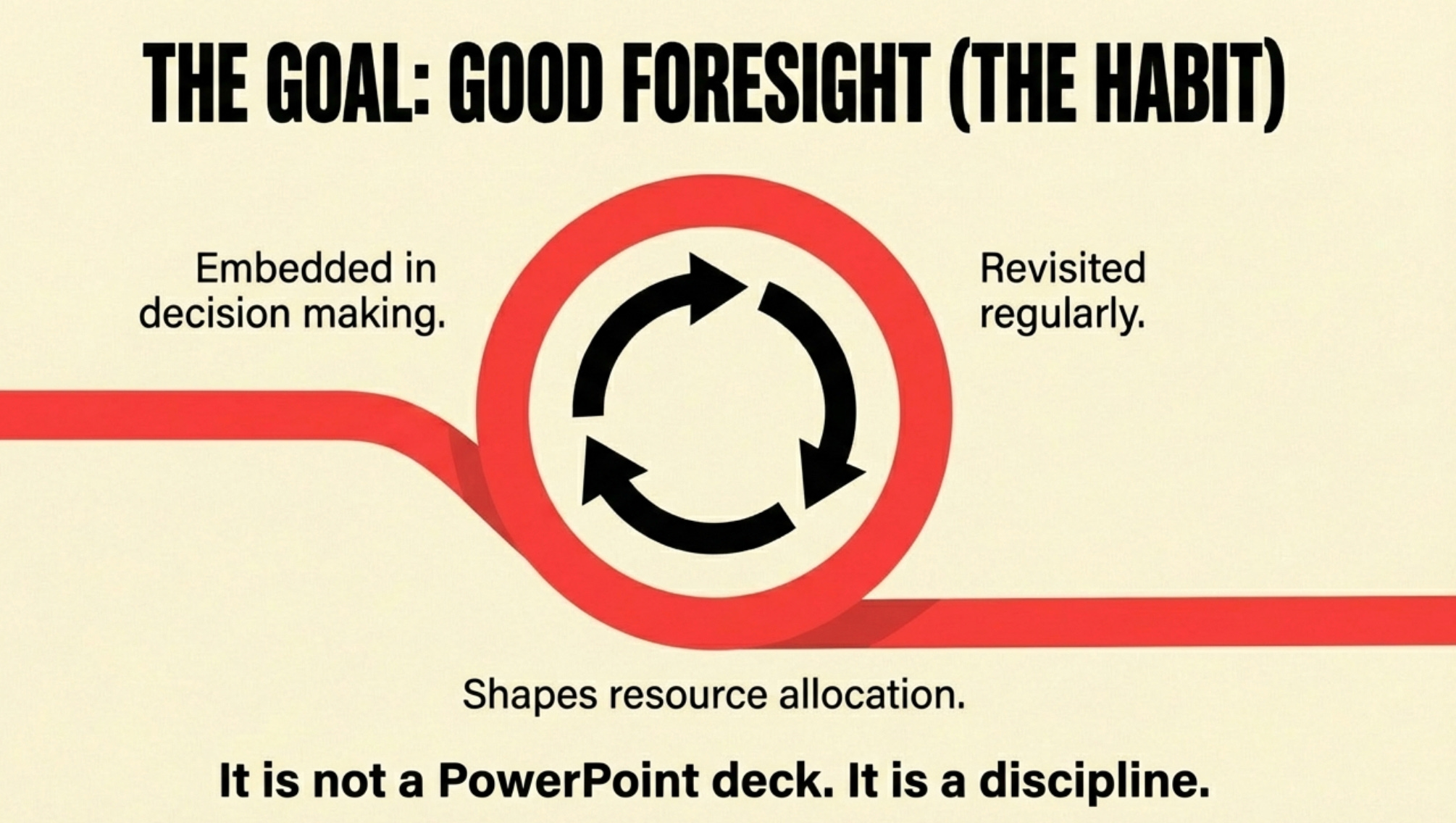
When we talk about a Future Habit, we mean exactly that: a discipline practiced repeatedly, embedded across the organisation, and reflected in real decisions. The companies that thrive in uncertainty aren’t the ones that commission one scenario exercise. Instead, they’re the ones that make foresight a core capability.
As a reminder, you can order a copy of the book here. I’d love to hear what you think - and if you find it useful, please leave a review.
P.S. I know that lots of the readers of this newsletter are based in the United States and we’ll be having a US launch in the summer.